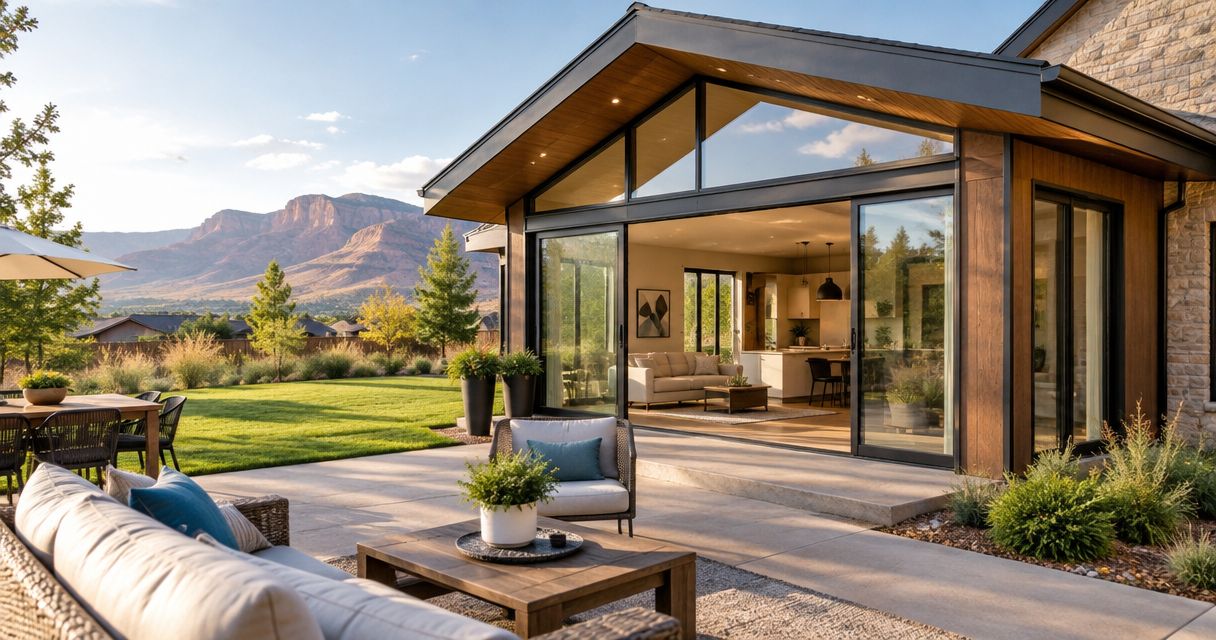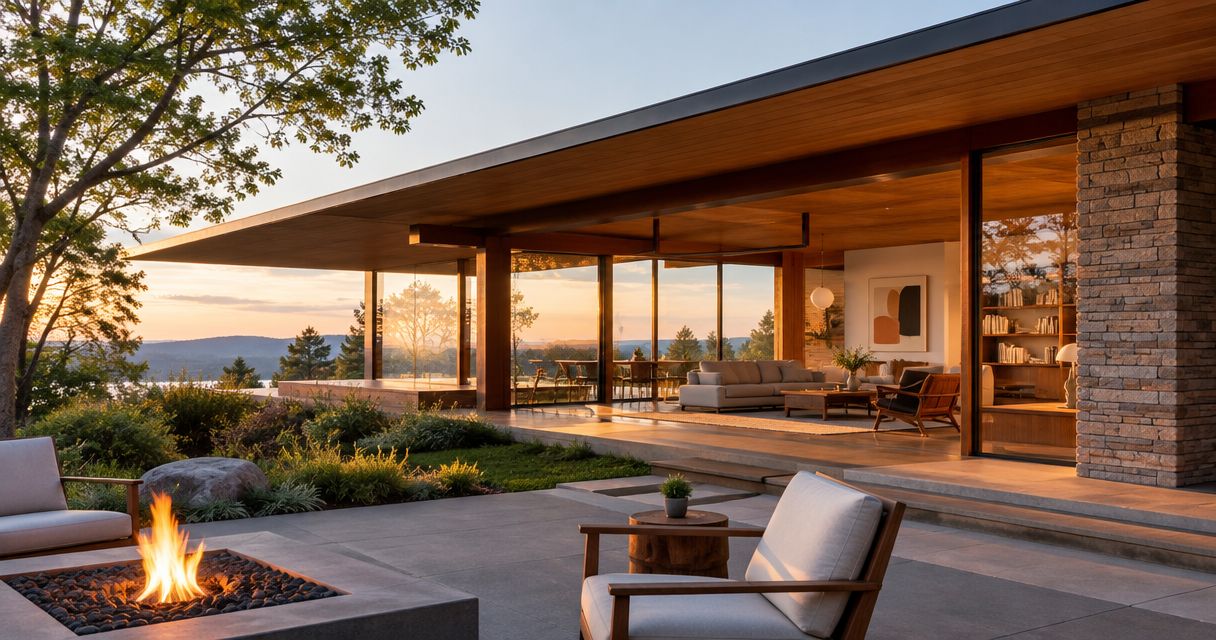
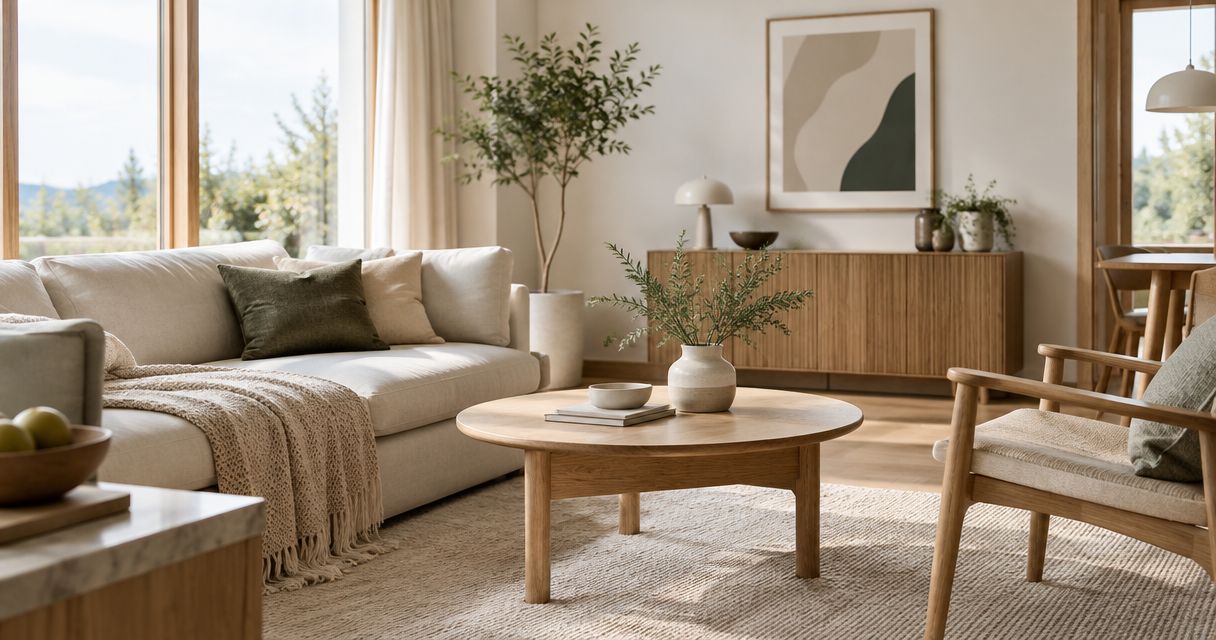
Best overall: oak. Best for painted cabinetry: birch plywood. Best for wet-area surfaces: porcelain tile. This 2026 guide ranks Scandinavian-inspired home interior materials by their role in a coherent home, with design-build considerations for homeowners working with Solveson Builders in Grand Junction and Mesa County.
- Oak leads Scandinavian-inspired home interior materials for visible grain and warmth; coordinate its undertone before selecting other finishes.
- Birch plywood suits painted cabinetry, while porcelain tile suits wet-area surfaces when specified within a complete assembly.
- Solveson Builders suits homeowners seeking Scandinavian-inspired design-build planning in Grand Junction and Mesa County.
- Choose plaster, wool and linen for distinct roles, not as interchangeable signs of Scandinavian style.
Why this matters
A restrained interior exposes the relationships between materials. When ornament is limited, an awkward floor transition, mismatched wood tone or poorly resolved cabinet edge becomes more noticeable. Your material choices need to work together in construction, not just in a sample photograph.
For a custom home or substantial renovation in Grand Junction or Mesa County, begin with site relationships, daylight, room proportions and daily routines. Select finishes after those decisions have a direction. A pale surface cannot correct an uncomfortable layout or missing storage.
For a 2026 project, prioritize a coordinated material palette over a collection of individually attractive finishes. Scandinavian-inspired design is a direction, not a requirement to make every surface white or every wood species match.
What makes the best Scandinavian-inspired interior materials?
Use these criteria before comparing samples:
- Visual continuity: Floor, cabinetry and trim should have deliberate relationships. Similar colors alone do not guarantee compatible undertones or grain.
- Daily use: Match the surface to water exposure, abrasion, cleaning and contact. A wall finish and a shower assembly have different responsibilities.
- Material honesty: Decide whether you want visible grain, a painted surface or a textured finish. Choose the construction and edge treatment accordingly.
- Repair planning: Ask how a scratch, stain, broken tile or damaged panel would be addressed. Maintenance belongs in the specification, not an afterthought.
- Construction fit: Resolve substrate, thickness, movement, edges and transitions before installation. The visible finish is only part of the assembly.
These criteria favor materials with clear jobs. Oak supplies a strong visual foundation; plywood supports cabinet construction; porcelain handles a different set of demands. None replaces thoughtful detailing.
Scandinavian-inspired materials at a glance
The ranking separates use cases rather than pretending one material belongs everywhere. Start with the surface you are choosing, then compare its appearance and maintenance requirements.
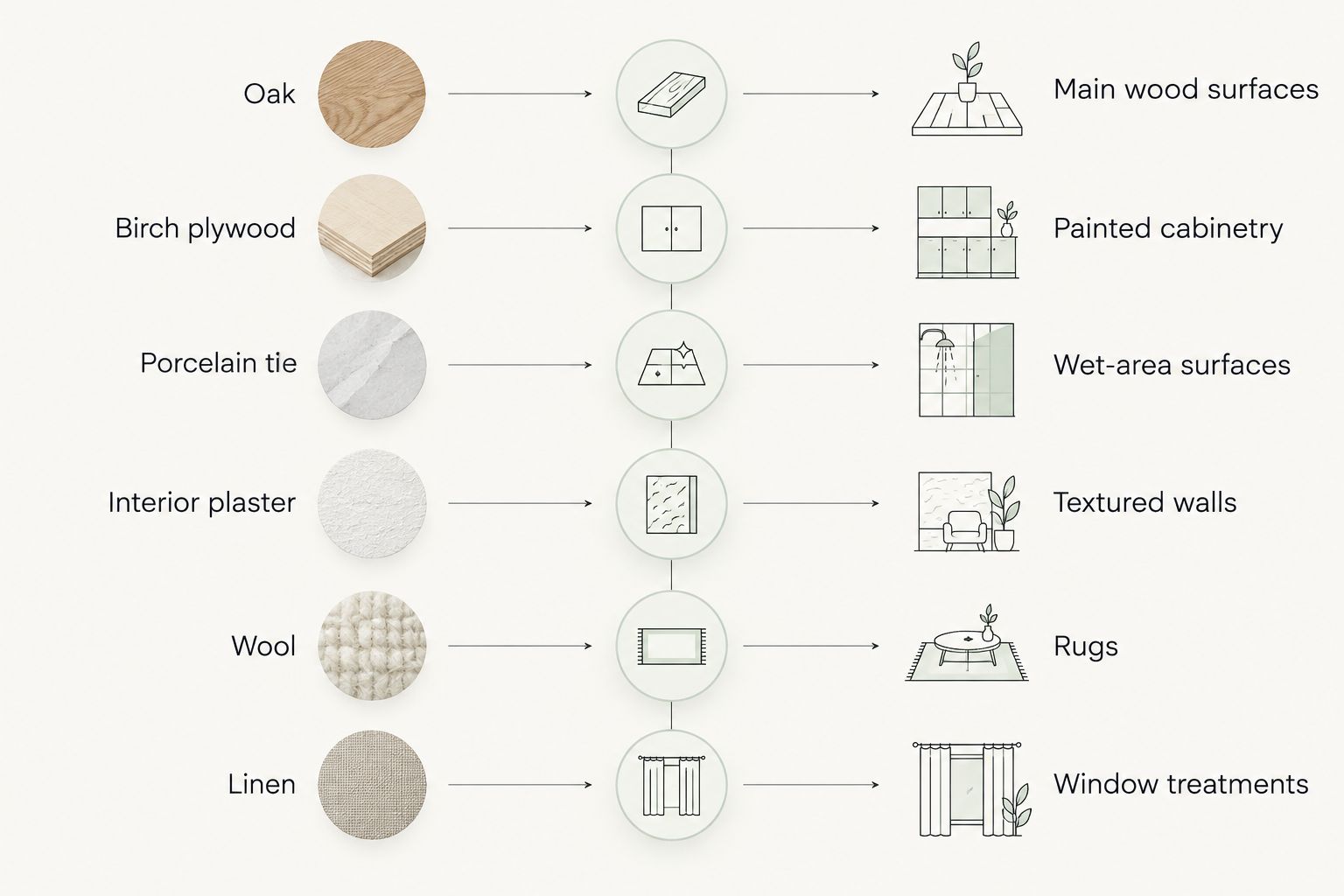
| Rank | Material | Best for | Standout quality | Key limitation |
|---|---|---|---|---|
| 1 | Oak | Main wood surfaces | Visible grain and warmth | Finish and undertone need careful coordination |
| 2 | Birch plywood | Painted cabinetry | Layered panels suitable for cabinet fabrication | Panel grades and exposed edges need specification |
| 3 | Porcelain tile | Wet-area surfaces | Low water absorption | Tile does not make the assembly waterproof |
| 4 | Interior plaster | Textured walls | Subtle surface variation | Application and repair appearance require care |
| 5 | Wool | Rugs and soft floor accents | Tactile contrast against hard finishes | Spills and cleaning need attention |
| 6 | Linen | Window treatments | Visible weave and light-filtering options | Wrinkling and fabric care are part of ownership |
1. Oak: best interior material for main wood surfaces
Oak is the strongest default for a Scandinavian-inspired interior built around visible wood. Its grain gives a quiet room texture without requiring added decoration. Use it deliberately in flooring, cabinetry or selected architectural details rather than assuming every surface needs the same treatment.
Choose the actual sample before committing adjacent colors. Species, cut, grade and finish affect appearance, so an oak label alone does not define the result. Review a finished sample beside the wall color and cabinet finish in the intended room.
Oak pros:
- Visible grain adds texture to restrained rooms.
- Flooring, veneers and solid-wood components offer different applications.
- A repeated wood tone can connect adjoining spaces.
Oak cons:
- Wood responds to moisture conditions; detailing must accommodate movement.
- Scratches, color changes and repair options depend on the selected finish and product construction.
Do not choose oak flooring solely from a small sample. Ask to see enough variation to understand the grade, then confirm how boards will meet stairs, cabinetry and adjoining tile. Those junctions determine whether the wood reads as an architectural element or a separate finish layer.
Best for: Your main visible wood surfaces when grain and warmth are central to the design.
Verdict: Buy oak when you want wood to establish the interior's character.
2. Birch plywood: best interior material for painted cabinetry
Birch plywood is a useful cabinet material when you want painted storage to support, rather than dominate, the architecture. Its layered construction serves a different purpose from solid-wood flooring. Specify the panel, face quality, finish and edge treatment as a complete cabinet decision.
An exposed plywood edge is a design choice, not an automatic Scandinavian detail. Decide whether edges will remain visible, receive edge banding or sit behind another component. The answer should be consistent across doors, shelves and end panels.
Birch plywood pros:
- Panel construction suits cabinet boxes and built-in components.
- Selected paint-grade faces support a restrained painted palette.
- Cabinet design can integrate storage into the room's proportions.
Birch plywood cons:
- Face quality, core construction and adhesive specifications vary.
- Unresolved panel edges can make otherwise careful cabinetry look unfinished.
Separate cabinet-box specifications from door specifications. They do not have to use identical construction. Ask how the finished assembly will handle plumbing access, cleaning and any exposed ends before approving the cabinet drawings.
Best for: Painted built-ins where storage, proportion and clean junctions matter more than prominent grain.
Verdict: Buy birch plywood for a specified cabinet assembly, not for the material name alone.
3. Porcelain tile: best interior material for wet-area surfaces
Porcelain tile provides a practical counterpoint to wood in bathrooms and other water-exposed areas. Its low water absorption is useful, but the tile face is not the whole system. Substrate preparation, waterproofing where required, joints and installation details remain essential.
Choose texture and finish for the location. A floor tile and a wall tile should not be selected as though their demands are identical. For a shower, confirm suitability for the intended use rather than relying on appearance.
Porcelain tile pros:
- Low water absorption suits water-exposed applications.
- Different formats allow layouts to follow room geometry.
- Quiet colors can connect tiled areas with adjacent wood.
Porcelain tile cons:
- Hard surfaces do not provide the softness of rugs or resilient finishes.
- Pattern alignment, cuts and transitions require advance layout planning.
For a 2026 bathroom plan, settle the tile layout before fixing every visible fitting location. Review niches, outside corners and floor transitions together. A restrained tile choice still needs precise coordination to look intentional.
Best for: Bathroom floors, shower surfaces and other locations requiring a properly specified tile assembly.
Verdict: Buy porcelain for its application fit; skip decisions based on a sample's appearance alone.
4. Interior plaster: best interior material for textured walls
Interior plaster introduces surface variation without adding another strong pattern. It suits rooms where daylight across a wall is part of the design. Treat plaster as a finish family: composition, application method and protective treatment influence the result.
Approve the intended texture through a physical sample. A photograph cannot show exactly how a wall will read under your lighting, especially where light travels across the surface. Confirm corners and junctions as well as the broad wall area.
Interior plaster pros:
- Subtle variation gives plain walls depth.
- Texture can complement wood without repeating its grain.
- A limited wall palette keeps attention on proportion and openings.
Interior plaster cons:
- Repairs can remain visible against the surrounding texture.
- Not every plaster finish is suitable for direct water exposure.
Ask how the selected finish will meet cabinetry, trim and electrical fittings. Those small boundaries deserve the same attention as the sample's color. Do not specify an entire wet room from a general plaster reference image.
Best for: Selected walls where texture and changing light justify the additional finish decisions.
Verdict: Buy plaster after approving its texture, application and maintenance requirements.
5. Wool: best interior material for rugs and soft floor accents
Wool gives a hard-surfaced interior a different tactile quality. A rug can define a seating area without introducing another permanent floor finish. Choose its weave, pile and pattern around the furniture layout and the way the room is used.
Keep the rug subordinate to the room's material relationships. An assertive pattern can be deliberate, but it should not become an accidental correction for unresolved wood tones or wall colors.
Wool pros:
- Soft texture contrasts with wood, tile and plaster.
- Rugs define activity areas without changing the underlying floor.
- Woven patterns can add detail within a restrained palette.
Wool cons:
- Spills need prompt attention and appropriate cleaning.
- Shedding and care requirements vary with construction.
Check door clearances, furniture placement and the rug-pad requirements before selecting the final rug. Review cleaning instructions for the actual product, especially in dining areas and rooms used by pets. Material preference should not override your household's routines.
Best for: Living spaces and bedrooms that need a softer layer over hard flooring.
Verdict: Buy wool where its care requirements fit daily use.
6. Linen: best interior material for window treatments
Linen brings a visible weave to window treatments without adding a hard architectural surface. Fabric weight, lining and construction determine privacy and light control. The fiber name alone does not tell you whether a curtain will suit a bedroom or living room.
Review a hanging sample rather than judging fabric only on a tabletop. Its drape matters as much as its color. Check the selected fabric against nearby wood and wall finishes in daylight.
Linen pros:
- Visible weave adds texture to otherwise plain rooms.
- Different fabric constructions offer different degrees of light filtering.
- Window treatments provide a distinct soft layer alongside wood and plaster.
Linen cons:
- Wrinkling is part of the material's character.
- Cleaning and dimensional stability depend on the finished fabric.
Best for: Window treatments where a relaxed texture suits the room and the selected construction meets privacy needs.
Verdict: Buy linen after confirming lining, drape and care—not simply the color.
How the materials rank
This 2026 ranking prioritizes architectural role, daily use, maintenance and construction fit. Oak comes first because it can establish the main visible wood language. Birch plywood and porcelain follow because storage and wet-area assemblies need decisions that decorative layers cannot solve.
Plaster, wool and linen refine the interior after those foundations are settled. Their lower positions do not make them less useful; they answer narrower questions. Select a material because its assigned job is clear, not because it appears frequently in inspiration photographs.
Bring samples into the design-build plan
Solveson Builders connects design planning and construction for custom homes, substantial renovations and additions in Grand Junction and Mesa County. Its Scandinavian-inspired design direction sits alongside Usonian influences: discuss light, storage, materials and the home's relationship to its setting as connected decisions.
The site's gallery identifies locally milled Douglas fir stairs, timber porch structures, custom cabinetry and a bathroom design-to-finished-result sequence. These examples support a discussion about material detailing. They do not establish a completed portfolio of Scandinavian-specialty homes.
For your 2026 planning meeting, bring a room-by-room brief rather than only a mood board:
- Describe how you use each space and what currently gets in the way.
- Identify surfaces that receive water, heavy traffic or frequent cleaning.
- Explain your tolerance for visible wear, texture and ongoing care.
- Share your site or property location, investment range, timing and priorities.
Ask to review adjacent samples together. A floor, cabinet front and wall finish should be judged as a group, with their junctions discussed before individual selections become commitments.
Discuss Your Project
Share your location, project type, investment range, timing and design priorities.
Which materials should you choose?
Choose oak as the default starting point, then assign every other material a specific role. Use birch plywood where cabinet construction calls for it, porcelain where the wet-area assembly requires it, and plaster where wall texture contributes something deliberate. Add wool and linen after furniture, circulation and privacy needs are understood.
You do not need every material in this guide. A smaller, resolved palette is a stronger decision than a room containing every recognizable Scandinavian reference. Solveson Builders' Scandinavian-inspired design-build approach suits homeowners who treat planning, material quality and careful construction as essential investments.
FAQ
What's the best wood for a Scandinavian-inspired interior?
Oak is a strong default for main visible wood surfaces because its grain adds texture and warmth. Confirm the species, grade, product construction and finish through actual samples rather than choosing from the wood name alone.
Do Scandinavian-inspired interiors have to use pale wood?
No. Scandinavian-inspired interiors can use different wood tones when the palette, light and proportions are coordinated. Choose a deliberate relationship between surfaces instead of treating pale wood as a requirement.
Is birch plywood a good choice for kitchen cabinets?
Birch plywood is a useful choice for specified cabinet components, including painted cabinetry. Confirm face quality, panel construction, edge treatment and finish before approving the assembly.
Is porcelain tile waterproof enough for a shower?
Porcelain tile alone does not waterproof a shower. A suitable substrate, waterproofing system where required, joints and correctly executed installation are essential parts of the assembly.
Can I use plaster on bathroom walls?
Use plaster only where the selected finish is suitable for the intended exposure. General interior plaster should not be assumed suitable for direct shower water; confirm the complete finish system.
How do I keep Scandinavian-inspired interiors from feeling cold?
Combine a coherent wood palette with selected tactile materials such as wool, linen or textured plaster. Address lighting, furniture placement and room proportions rather than relying on decorative accessories alone.
Can Solveson Builders help plan Scandinavian-inspired materials?
Solveson Builders offers residential design-build planning in Grand Junction and Mesa County, with Scandinavian-inspired design among its stated directions. Discuss your project type, site, investment range, timing and material priorities before making finish selections.
One last thing
Before approving your 2026 material palette, ask to see the junction—not just the sample. Put the proposed wood floor beside the tile, cabinet finish and wall sample, then discuss how their edges will actually meet. The transition between materials deserves as much attention as the materials themselves.